Raffle Fundraiser Ideas for Nonprofits: Which Format Actually Raises More?
The raffle format that raises the most for a nonprofit is usually the one that brings people back week after week, rather than selling tickets once. A single-draw basket raffle depends on what your crowd will spend that night; a recurring draw, such as a Queen of Hearts, can build a growing jackpot and a regular drawing-night crowd.
Raffle Fundraiser Ideas for Nonprofits: Which Format Actually Raises More?
The raffle format that raises the most for a nonprofit is usually the one that brings people back week after week, rather than selling tickets once. A single-draw basket raffle depends on what your crowd will spend that night; a recurring draw, such as a Queen of Hearts, can build a growing jackpot and a regular drawing-night crowd.
That difference matters more than whether the prize basket has 10 items or 20. If you’re weighing raffle fundraiser ideas for your American Legion or VFW post, lodge, booster club, or charity, start by choosing a format that fits how your people gather.
Why choose a raffle format before choosing prizes?
A raffle format is the basic structure: when you sell tickets, how winners are selected, and what the organization awards. There are three common shapes:
Single-draw raffle: Sell tickets for a set period, then draw one or more winners for specific prizes. It’s straightforward and works well at a one-night event.
50/50 raffle: Sell tickets for a set period, then split the proceeds according to your published rules. The prize comes from ticket sales, so you don’t need donated goods.
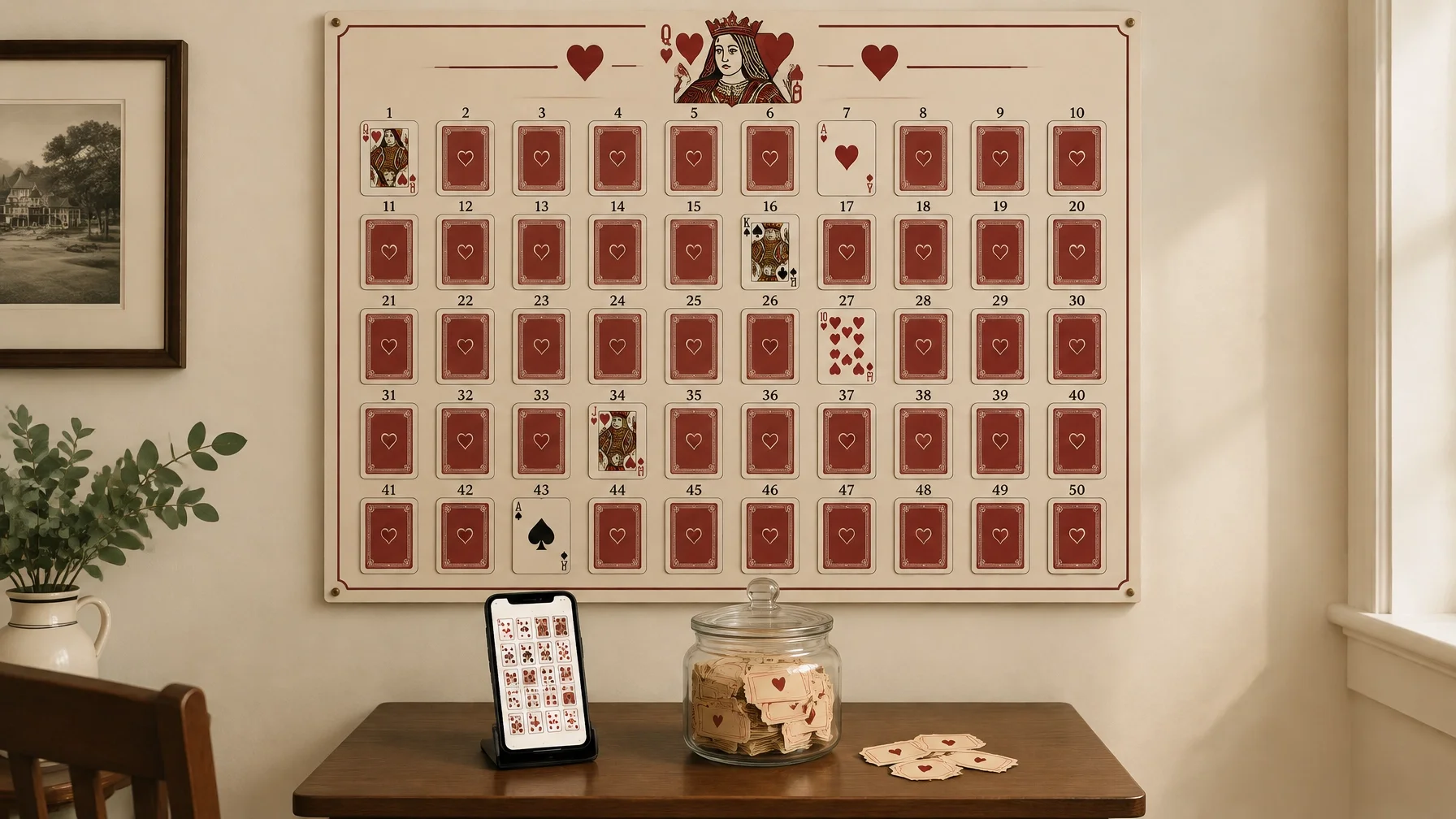
Progressive board raffle: Players buy tickets for recurring drawings, and the main prize or jackpot can grow over time. In a typical Queen of Hearts raffle, a numbered 54-card board is used, and the drawing continues until a specific card is found.
Each format has trade-offs. A single-draw raffle is often the simplest to run, but its sales window is limited. A 50/50 doesn’t require donated prizes, while a progressive raffle can give players a reason to return, but it requires a dependable weekly commitment and clear house rules.
Which raffle format raises the most money?
There’s no format that reliably raises the most for every organization. A recurring raffle with a growing jackpot can create a weekly habit: regulars come back, and a larger visible pot may give new players a reason to join. But results still depend on your crowd, prizes, ticket price, and house rules.
It also helps to distinguish gross ticket sales from net funds for your cause. A donated prize may help a single-draw raffle keep costs down. A 50/50 raffle awards part of the proceeds to a winner. A progressive raffle’s rules determine how its money is divided and paid out. Compare what your organization expects to retain, not just what it might collect.
Format Setup effort Prize sourcing Recurring potential Best fit Single-draw Low to moderate Usually needed Low; often one event A gala, festival, or club dinner 50/50 Low Not needed Moderate if repeated at regular events Game nights and busy gatherings Progressive board Ongoing Defined by house rules Higher potential for a weekly routine A club or hall with a dependable drawing night
What are practical raffle ideas for nonprofits by format?
The most useful raffle ideas aren’t just prize lists. They start with the event and routine your volunteers can actually support.
Single-draw raffle ideas for clubs and posts
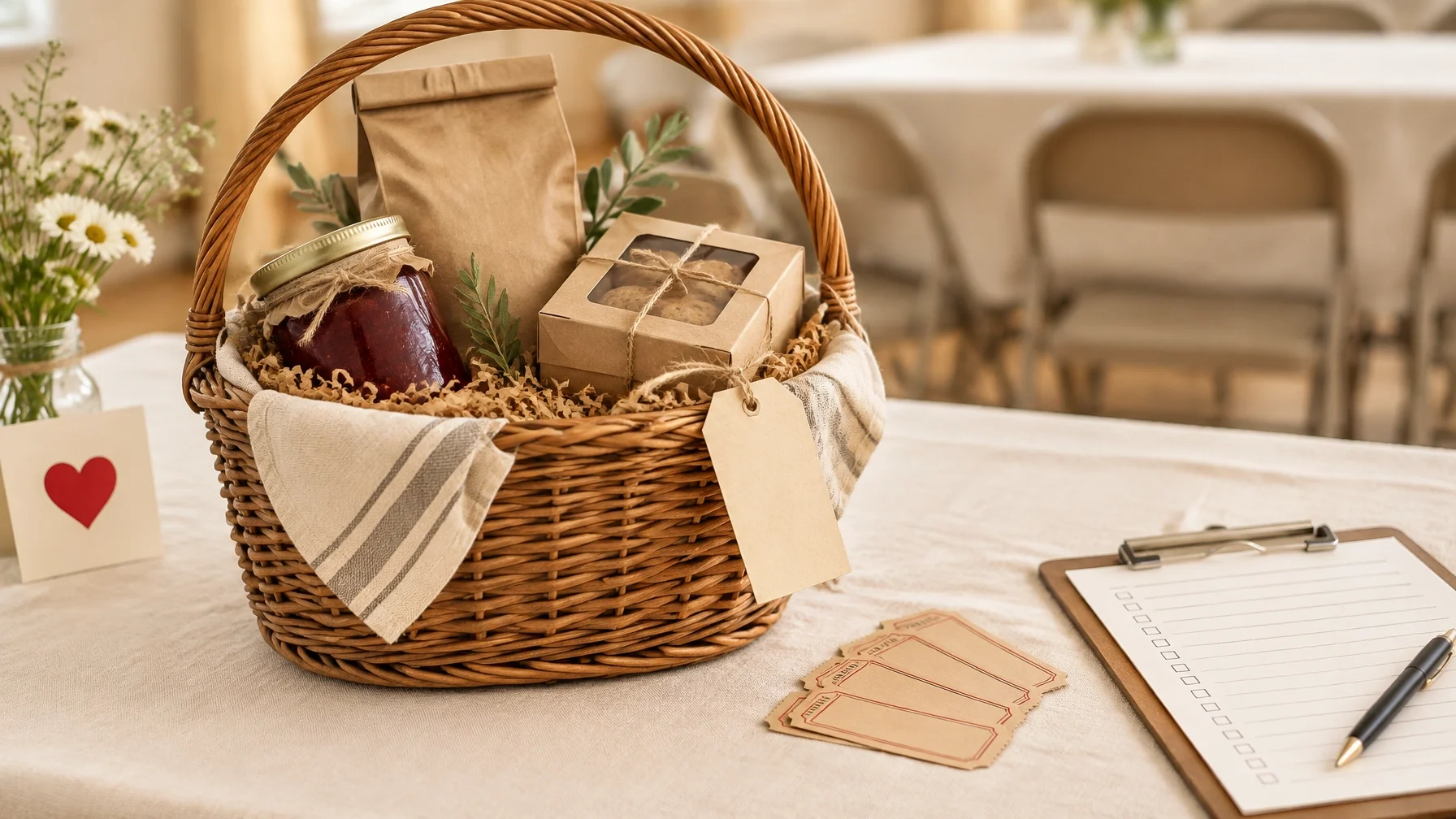
A basket raffle can still work well when the prize feels specific to your audience. Instead of assembling a generic mix, try a local breakfast basket with coffee, bakery gift cards, and a mug from a neighborhood shop, or a game-night basket with snacks, a family board game, and a gift certificate to a local restaurant.
Other options:
Local business bundle: Pair a restaurant certificate with a nearby shop’s item or service. Confirm the value and any restrictions before advertising it.
Experience instead of stuff: Offer a reserved table at a club event, a cooking class, or a guided local outing if the business or host has agreed to provide it.
One premium item: Make a single larger donated prize the focus of a one-night drawing, and clearly state the drawing date and prize details.
50/50 raffle ideas for events
A 50/50 can suit a crowded event where someone can explain the offer at the door, at intermission, or beside the ticket table. It needs no donated prize, but your organization’s share depends on sales and the terms you publish.
Try it at a club game night, school fundraiser, or community dinner. It can also run alongside a meat raffle or a gun bash where permitted, but make each drawing, ticket pool, and set of rules easy to distinguish.
Progressive and recurring raffle ideas
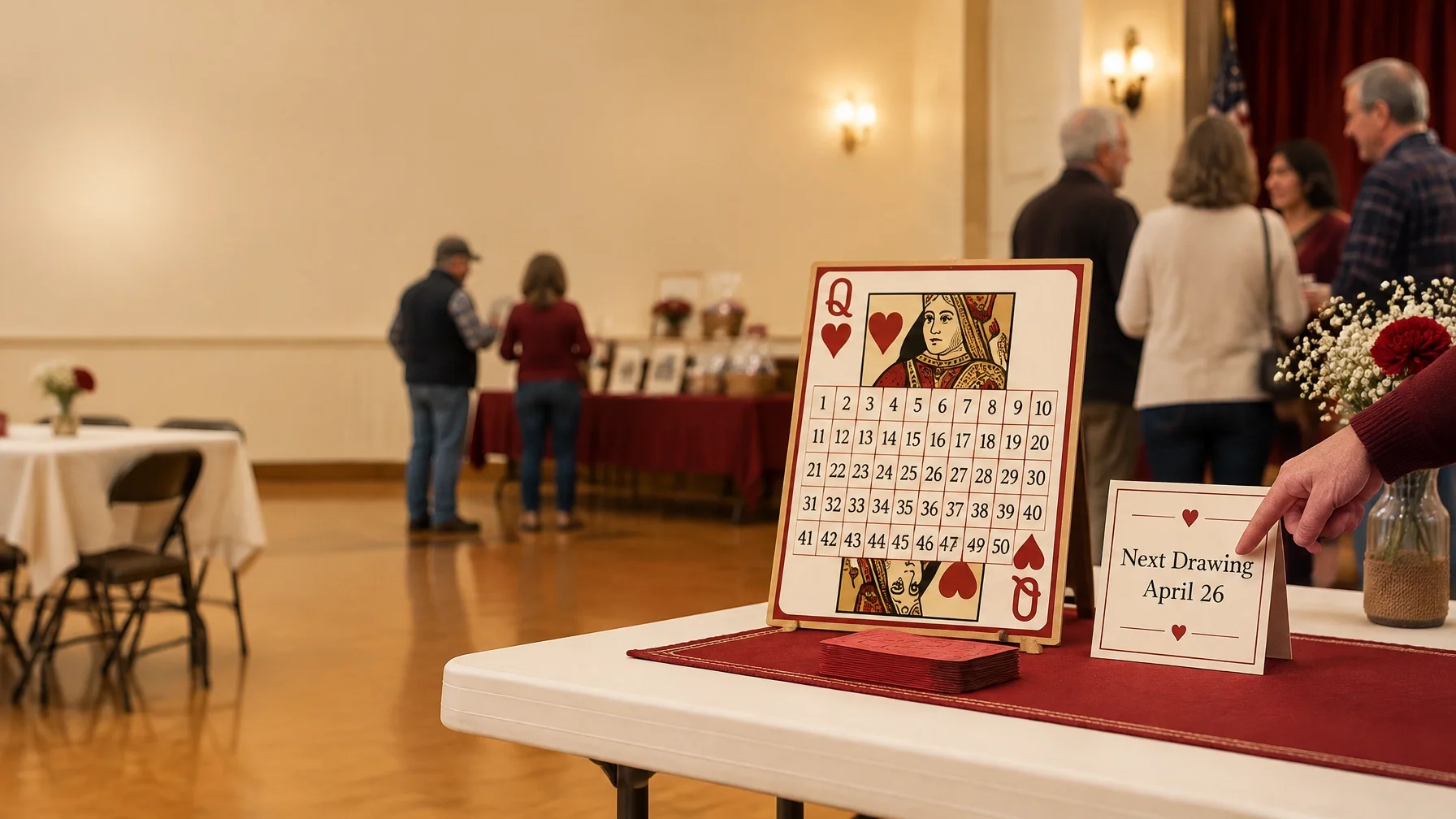
A Queen of Hearts board can make a regular night at the hall or bar part of the fundraiser. Players buy tickets for that drawing, a selected position is revealed, and the main prize continues according to the organization’s house rules until the specified card is found. The weekly rhythm, not just the prize, is what gives people a reason to check back.
Other recurring formats have different mechanics. A weekly meat raffle can bring people together for repeated prize drawings without using a growing board jackpot. A Calcutta-style event may involve bidding or a pool tied to an event; its structure and rules differ from a standard raffle, so define it carefully and check local requirements before planning one.
What add-ons can support any raffle format?
Early-bird pricing: If your rules allow it, set a clear cutoff and explain exactly when the offer ends.
Multi-ticket bundles: Make the price and number of entries plain. Don’t suggest a better chance of winning unless the ticket structure and rules support that claim.
A consolation prize: For a board raffle, consider whether your rules include a smaller payout for a non-winning card. Explain it before tickets are sold.
A consistent sales time: Set up the ticket table at the same time each week so regulars know when to find you.
What makes the difference between a raffle that raises $800 and one that raises $8,000?
Those figures are examples, not expected results. The practical difference is often whether the organization makes it easy to understand, join, and remember the raffle.
Experienced organizers tend to pay attention to five things:
A consistent drawing night. Keep the same day and time whenever possible. Players shouldn’t have to hunt for schedule changes.
A visible, current jackpot. If the prize grows, put the current amount where people can see it, and update it when it changes.
Easy ticket buying. Make clear where and when tickets are sold. Your organization, not a display tool, runs the raffle and handles ticket sales.
Published rules. State the drawing process, prizes, eligibility, and any other terms players need to know before they buy.
Specific promotion. “The jackpot is $___ and the drawing is Wednesday at 6:30 p.m.” gives people concrete information. “Come support us” doesn’t answer what they want to know.
How should you promote a raffle each week?
Keep the routine simple enough that a busy volunteer can maintain it:
Post the current jackpot publicly each week, if your format has one.
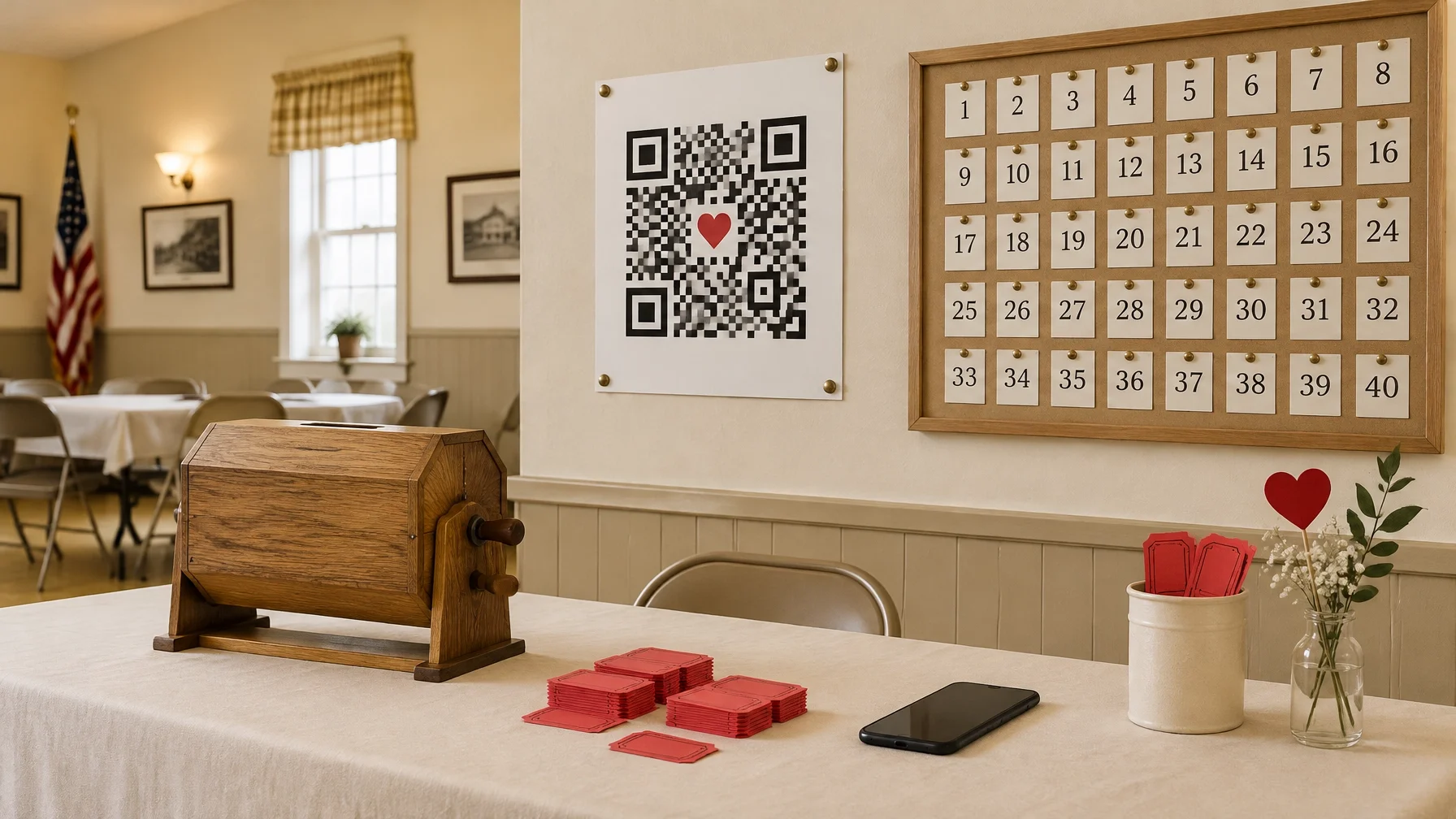
Share a board link or QR code so players can check the latest information without asking the volunteer at the ticket table.
Put the house rules where players can find them before buying.
Keep the drawing night and time consistent, and post changes promptly.
What should you decide before the first drawing?
Use this checklist before you print tickets or make an announcement:
Which format fits your crowd and the time volunteers can commit?
What are the ticket price, sales period, and drawing schedule?
What prizes or payouts are included, and how will your organization handle them?
What do your written house rules say about the drawing and winner?
Who is responsible for ticket sales, drawing night, results, and updates?
Where will players find current details and the rules?
Have you checked your state’s charity-gaming rules and any local requirements?
Raffle and charitable-gaming rules vary by state. Your organization’s house rules and local law govern; check your state’s charity-gaming regulator before selling tickets. This article isn’t legal advice.
If you run a progressive board raffle, keeping the weekly information current can take volunteer time. Queen of Hearts Board’s How It Works page explains how a board link and printable QR poster help players check the jackpot, revealed cards, and next drawing; you can also view the demo board. Your organization still runs its own raffle, sells its own tickets, and handles its own prizes.