Queen of Hearts Raffle Rules: A Practical Template for Clubs and Posts
A Queen of Hearts raffle uses a numbered board of 54 face-down cards (a 52-card deck plus two jokers): players buy tickets and write a board position, then one ticket is drawn each week to reveal the card at that position; the Queen of Hearts wins the big jackpot share. The rules that matter are the ones your hosting organization writes and publishes, subject to your local law.
Queen of Hearts Raffle Rules: A Practical Template for Clubs and Posts
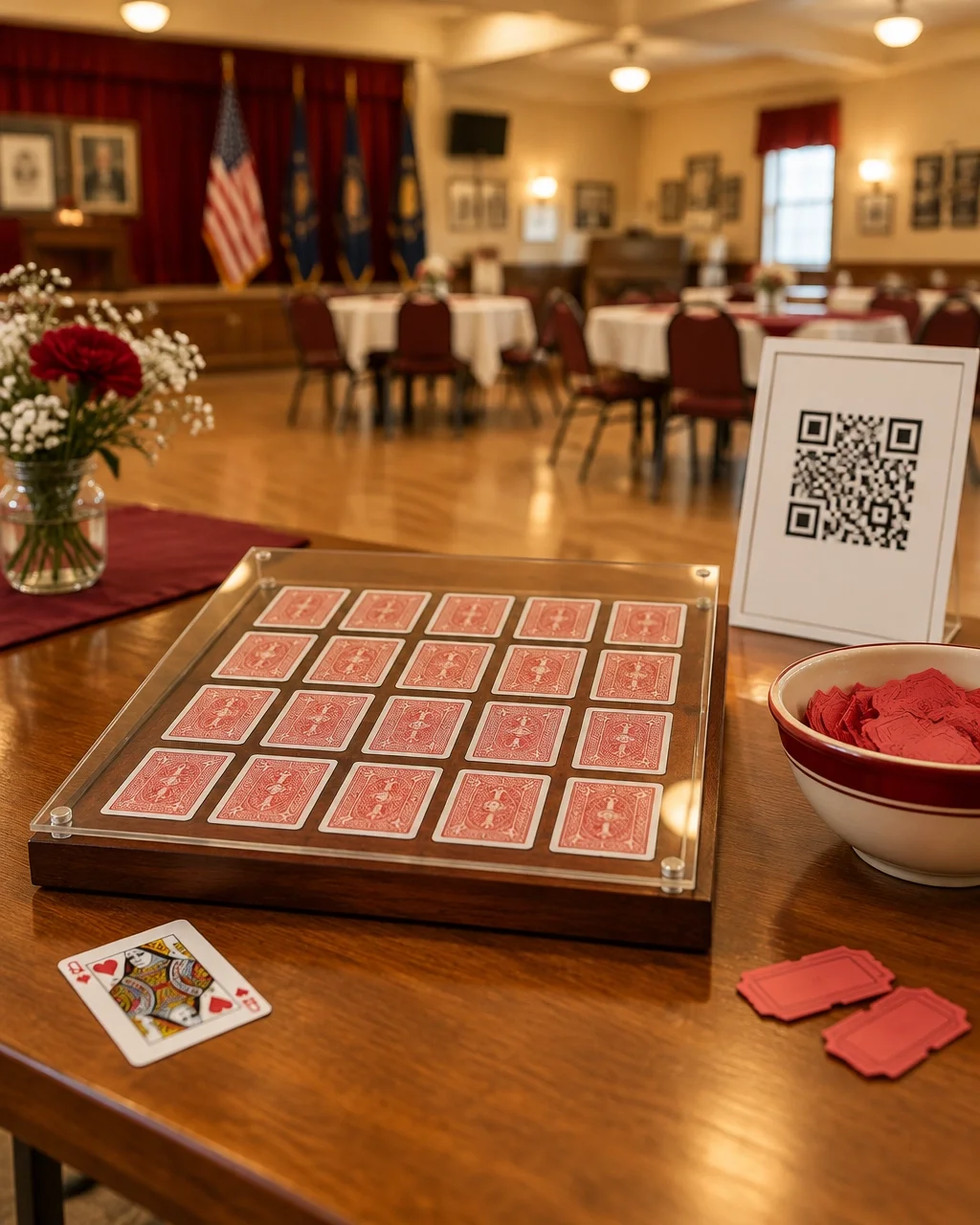
A Queen of Hearts raffle uses a numbered board of 54 face-down cards (a 52-card deck plus two jokers): players buy tickets and write a board position, then one ticket is drawn each week to reveal the card at that position; the Queen of Hearts wins the big jackpot share. The rules that matter are the ones your hosting organization writes and publishes, subject to your local law.
If you’ve been handed raffle night, start here. This is a practical checklist and sample language to adapt, not a legal document or legal advice. Your organization’s own house rules and applicable state and local charity-gaming laws govern.
How does a Queen of Hearts raffle work?
The short version:
Shuffle and secure 54 cards face down on positions numbered 1–54.
Sell tickets under the terms your organization has set.
Players write one board position on each ticket.
Draw the number of tickets specified in your house rules, often one ticket per week.
Reveal the card at the selected position.
If it is the Queen of Hearts, award the jackpot share according to your rules and end the round. Otherwise, leave that card revealed and continue the round at the next drawing.
The exact process can vary. For example, rules should explain whether a ticket holder who is absent can choose a card through a proxy, and whether a consolation prize is paid when a different card appears.
What should Queen of Hearts raffle rules cover?
Use this checklist to make decisions before the next drawing. Write each decision down in plain language, including dates, amounts, and who is responsible.
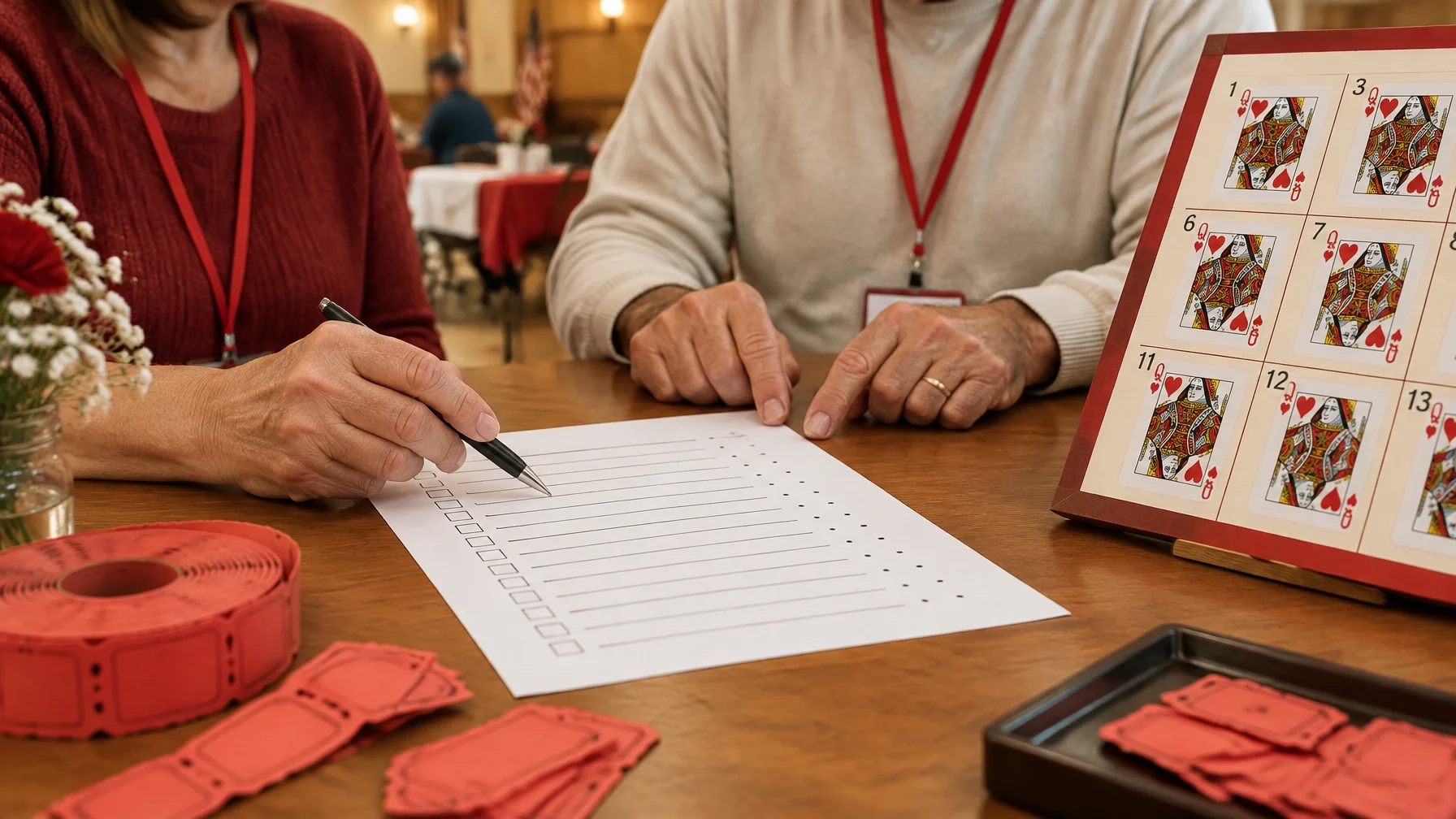
Ticket price and deals: State the price per ticket and whether multi-ticket bundles or chips are offered. Explain how a deal is counted and whether every ticket must have one position.
Tickets drawn: Say how many tickets are drawn at each drawing and what happens if a ticket is blank, incomplete, or ineligible.
Jackpot share: State the percentage of the eligible pot paid to the Queen of Hearts winner and what portion the organization retains. A roughly 50/50 split is a common choice; some clubs choose 60/40 or a higher winner share. These are examples, not standards or legal requirements. Splits vary by organization and state.
Other cards and jokers: Explain whether non-Queen cards earn consolation prizes, what those prizes are, and whether jokers are in play. If jokers have a special prize or other effect, spell it out.
Final card and round end: Say what happens if the game reaches its final unrevealed card, if the raffle must stop, or if a drawing cannot take place. Don’t leave the outcome to an on-the-spot decision.
Presence and claiming: State whether the ticket holder must be present, whether a proxy may choose, how the winner is contacted, and the deadline and process for claiming a prize. Describe what happens to an unclaimed prize.
Eligibility: Set the minimum age and any membership or guest requirements. Identify anyone who cannot participate (such as officers, board members, or volunteers) if your organization chooses to exclude them or local rules require it.
Sales cutoff: Give the ticket sales deadline for each drawing, including the time and time zone if relevant. Explain how late or unsold tickets are handled.
Disputes: Say who resolves questions about ticket validity, drawing procedure, or a disputed result. Name the responsible officer or committee and explain how a decision is documented.
Decision What to write down Why it matters Ticket sales Price, bundle terms, cutoff Helps prevent confusion at the table Weekly drawing Number of tickets and procedure Sets a consistent process Jackpot Winner’s share and club’s share Makes the displayed amount understandable Eligibility Age, participation limits, presence Tells players who can take part and claim Unclaimed prizes Claim deadline and next step Avoids improvised decisions later Disputes Who decides and how Gives volunteers a clear process
What sample wording can we adapt?
Treat these as prompts, not universal rules. Replace every bracket with a decision your organization has made, then check the wording against local requirements.
“Tickets cost [price] each. Sales close at [time] on [drawing day]. At each weekly drawing, [number] eligible ticket(s) will be drawn. The holder of a valid ticket may select the position written on it, subject to the eligibility and attendance rules below.”
“If the revealed card is the Queen of Hearts, the winner receives [percentage or defined amount] of the [defined pot]. The organization retains [percentage or defined amount]. If another card is revealed, [describe consolation prize, if any], and the card remains face up for future drawings.”
“A prize must be claimed within [deadline] by [claim process]. An unclaimed prize will be handled as follows: [specific outcome]. Questions or disputes will be decided by [officer or committee] under these published rules.”
Avoid vague phrases such as “the club’s decision is final” unless you also identify who makes the decision and what process they follow.
How should we explain the jackpot and payout?
The pot may grow as ticket sales accumulate from week to week, but not every dollar collected necessarily becomes the winner’s prize. If the organization retains a share, calculate and display the winnable jackpot, the amount payable under your published split, not the gross pot. That distinction can head off a lot of confusion at the ticket table.
For example, if the eligible pot is $1,000 and the published winner share is 50%, the displayed winnable jackpot would be $500. At a 60% winner share, it would be $600. This is simple arithmetic for illustration only; your own rules define what counts as the pot, how it carries over, and how the prize is calculated.
Be equally clear about consolation prizes and joker prizes: state whether they come from the same funds or are handled separately. And while players may ask about Queen of Hearts raffle odds, don’t promise a result. The number of unrevealed cards changes as the round progresses, and actual ticket terms and drawing procedures depend on your house rules.
Do state laws or permits affect our rules?
Yes. Raffle and charity-gaming requirements differ by state and sometimes by locality. Many states require a license or permit for charitable gaming; some cap prize values or require a set percentage to go to charity. Requirements may also affect who can participate, ticket sales, records, and how drawings are conducted.
Before the first drawing, confirm the current requirements with your state’s charity-gaming regulator and, where appropriate, your local authority. This article is not legal advice and does not determine whether a specific raffle is permitted. Your organization’s rules must fit the law that applies where you operate.
Where should we publish the house rules?
Post the rules before the first drawing, where players can review them before buying tickets. Link a House Rules page from your online board, keep a printed copy at the ticket table, and make sure volunteers know where to find the current version. If rules change between rounds, clearly state when the change takes effect.
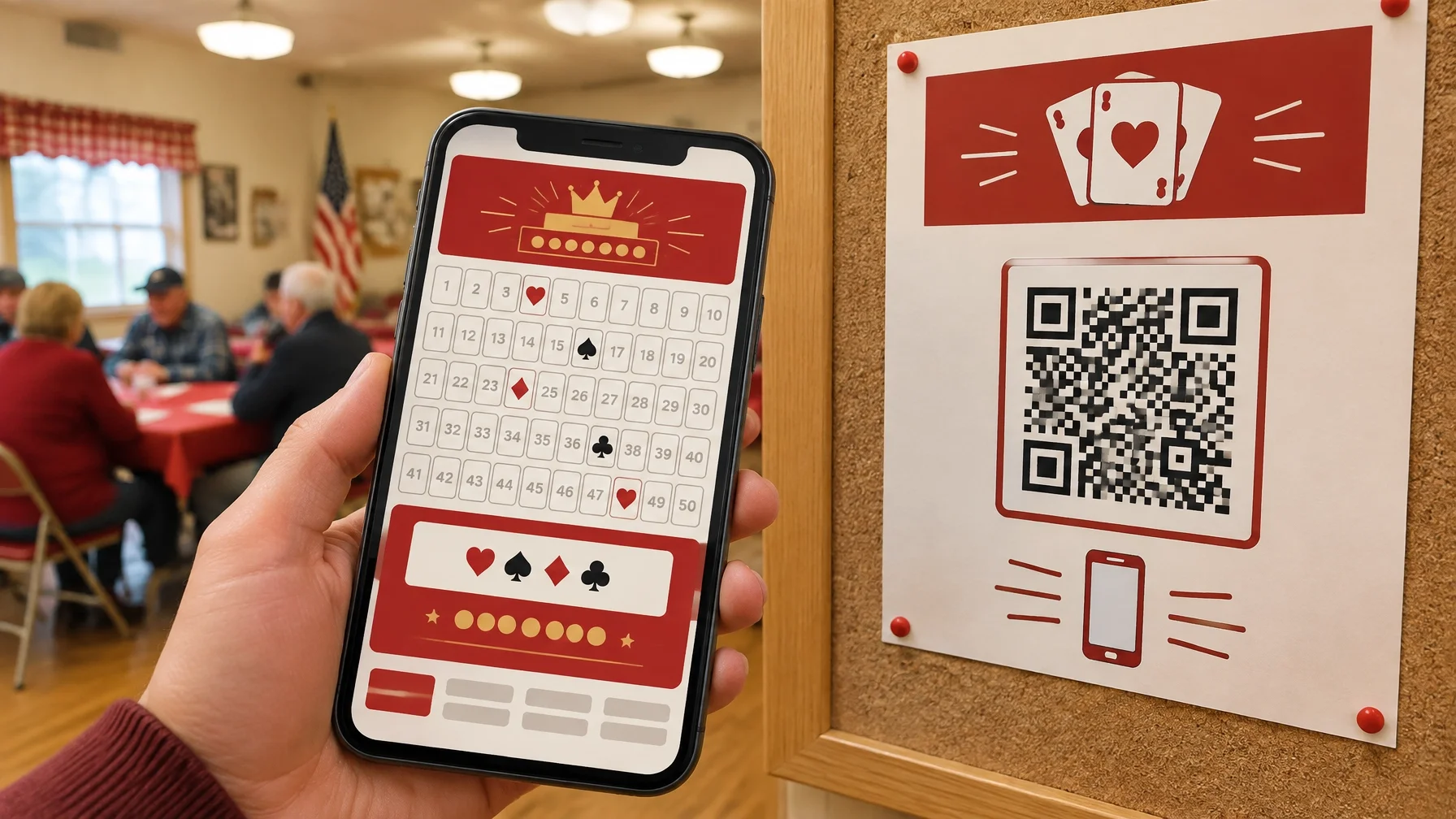
Clear, easy-to-find rules build trust. Players know what to expect, and volunteers don’t have to settle important questions while a line is waiting. Queen of Hearts Board is a results display only: it does not sell tickets, run drawings, or pay prizes. Organizers who want a simple place to publish results can learn about the built-in House Rules page and printable QR poster in How it works, or view the demo board. Your organization’s own rules and local law still govern the raffle.
Queen of Hearts raffle rules: copy-and-check list
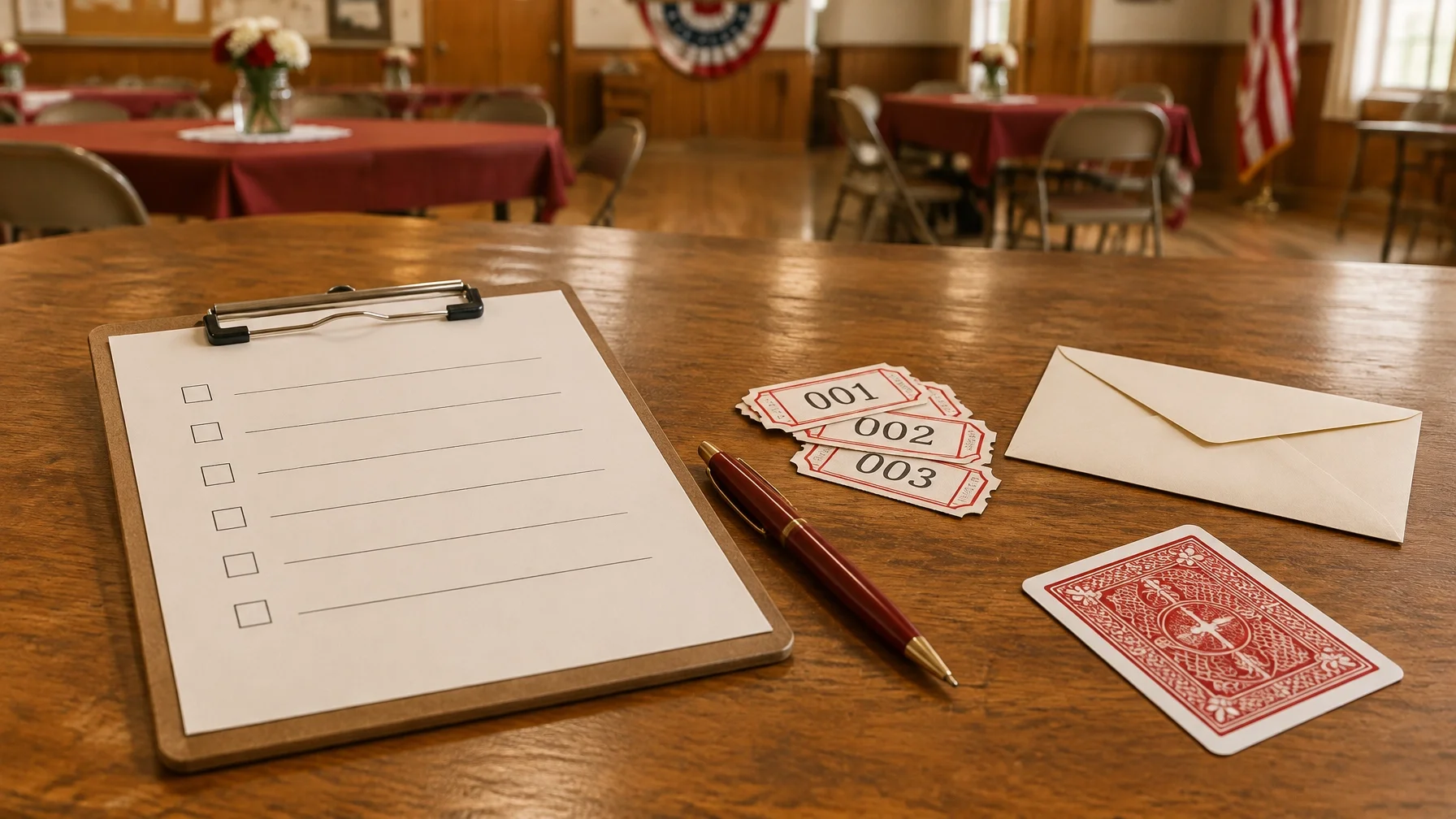
Before your next drawing, confirm:
Ticket price, multi-ticket deals, and any chip rules are written down.
The number of tickets drawn and the weekly procedure are clear.
The jackpot split and consolation prizes are defined.
Joker rules and final-card procedures are explained.
Presence, eligibility, and age requirements are stated.
Any officers, volunteers, or board members who cannot play are identified.
Sales cutoff, prize-claim deadline, and unclaimed-prize process are specific.
A named person or committee handles disputes.
State and local requirements have been checked.
The current rules are posted online and at the ticket table.